

TechHR Singapore is one of Asia’s major HR conferences, bringing together HR, business, and tech leaders to talk about the future of work. This year, many of those conversations centered on AI, leadership, and what transformation now requires from HR.
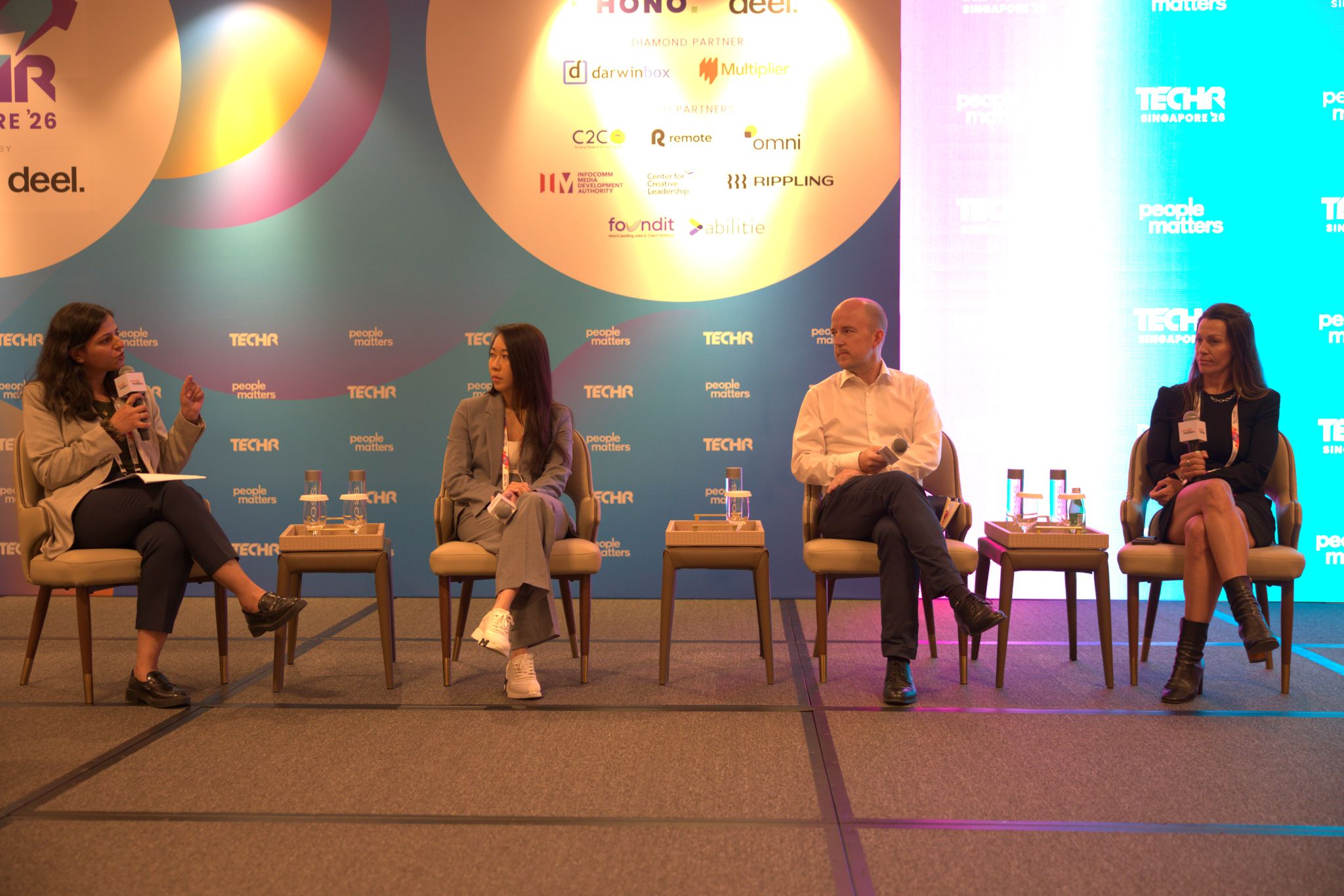
At TechHR Singapore, one idea stayed with me more than anything else: “HR is at the center of the transformation. At the moment, HR and leaders can drive the change and transformation within the team. We shape how organizations think, decide, and grow.”
That stayed with me because it felt close to what I am already seeing in my own work.
In our team, I have been guiding conversations around AI adoption, assessing readiness, and trying to create space for people to experiment with tools and agents in ways that actually make sense for their work. TechHR did not give me a brand-new belief. It sharpened one that was already forming in me: HR cannot wait for AI decisions to be made somewhere else and then step in later to manage the people side. We need to be in the room while the direction is being shaped.
What Changed for Me
I already believe that AI matters, especially how it is shaping our work for the better. What changed was how clearly I now see my role as HR in the transformation.
I no longer think HR’s job is to support transformation from the edges. I think HR is increasingly part of orchestrating it. And when I say orchestrating, I do not mean owning every tool or pretending HR should become the technical lead. I mean helping the organization ask better questions before adoption becomes messy. What work are we actually trying to improve? Where will friction show up? Which teams need room to experiment? Which leaders need stronger judgment before they ask their teams to move faster?
That is the part that stayed with me from the conference. HR is not just there to help people adjust after a decision has already been made. HR can help shape how the decision gets made in the first place.
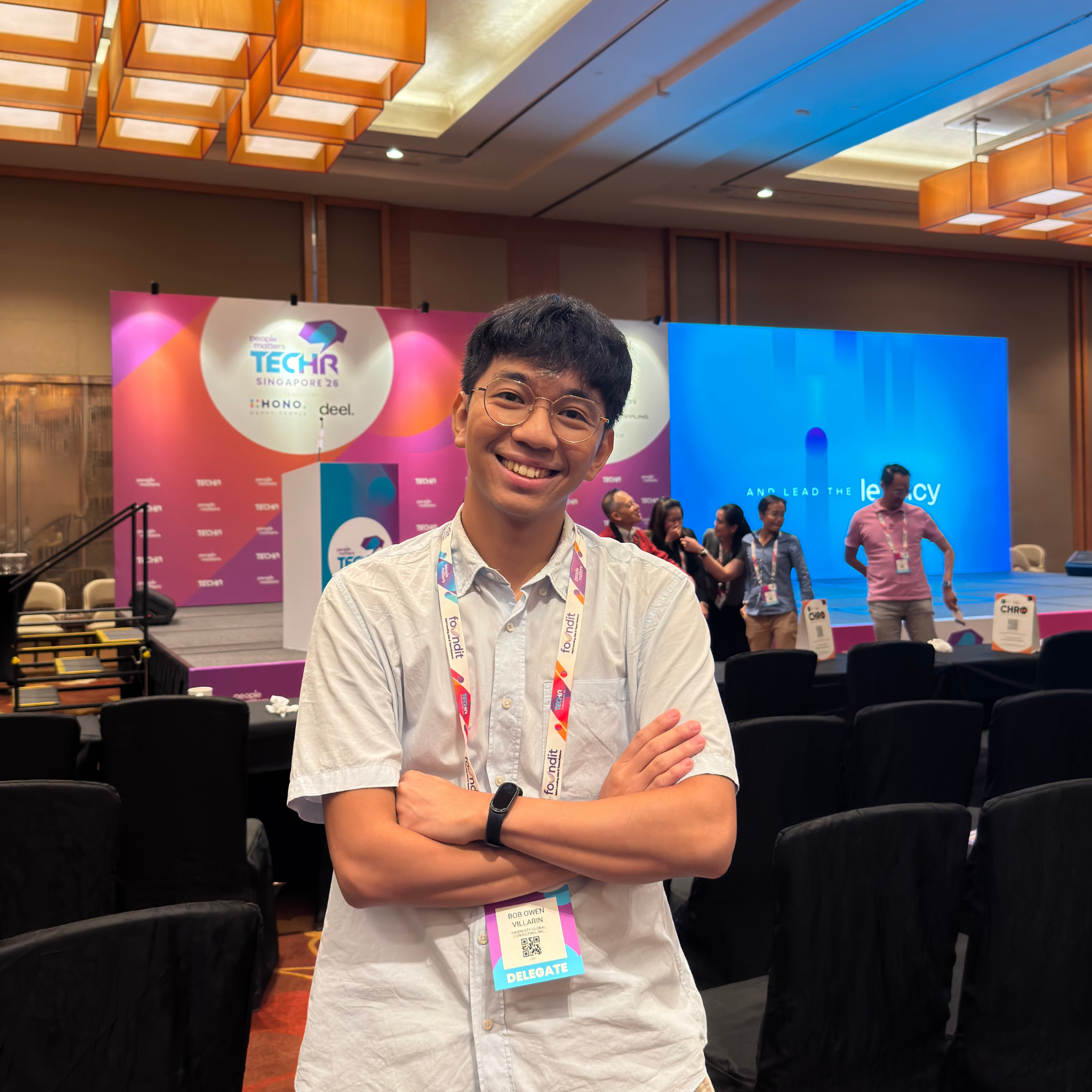
What Orchestration Looks Like in Practice
In my own context, this has made me think more carefully about how AI gets introduced in a team. I am not interested in pushing tools just so we can say we are adopting AI. I am more interested in understanding what the work already looks like, where the team is feeling friction, and how AI can fit into that reality.
For me, that is what it means to integrate AI through a dynamics lens. Friction is expected, but the work is to make the transformation smoother by understanding how people work, what they need, and where AI can actually help. I am seeing that our team members have different approaches in how they learn, use, and improve their AI platforms, AI agents, and the different agent harnesess.
That makes me think the real work is adoption + creating enough clarity + providing enough support, so people can use these tools well without being forced into one pattern too early.
That is also why readiness matters more to me than hype. A team can be open to change and still not be ready to work well with AI. TechHR helped me put language to that difference. Change-ready and AI-ready are not the same. AI readiness asks more specific questions, such as:
- Do people know where AI can help and where it should not decide?
- Do leaders know how to guide good judgment, not just encourage experimentation?
- Do teams understand what responsible use looks like in the actual flow of work?
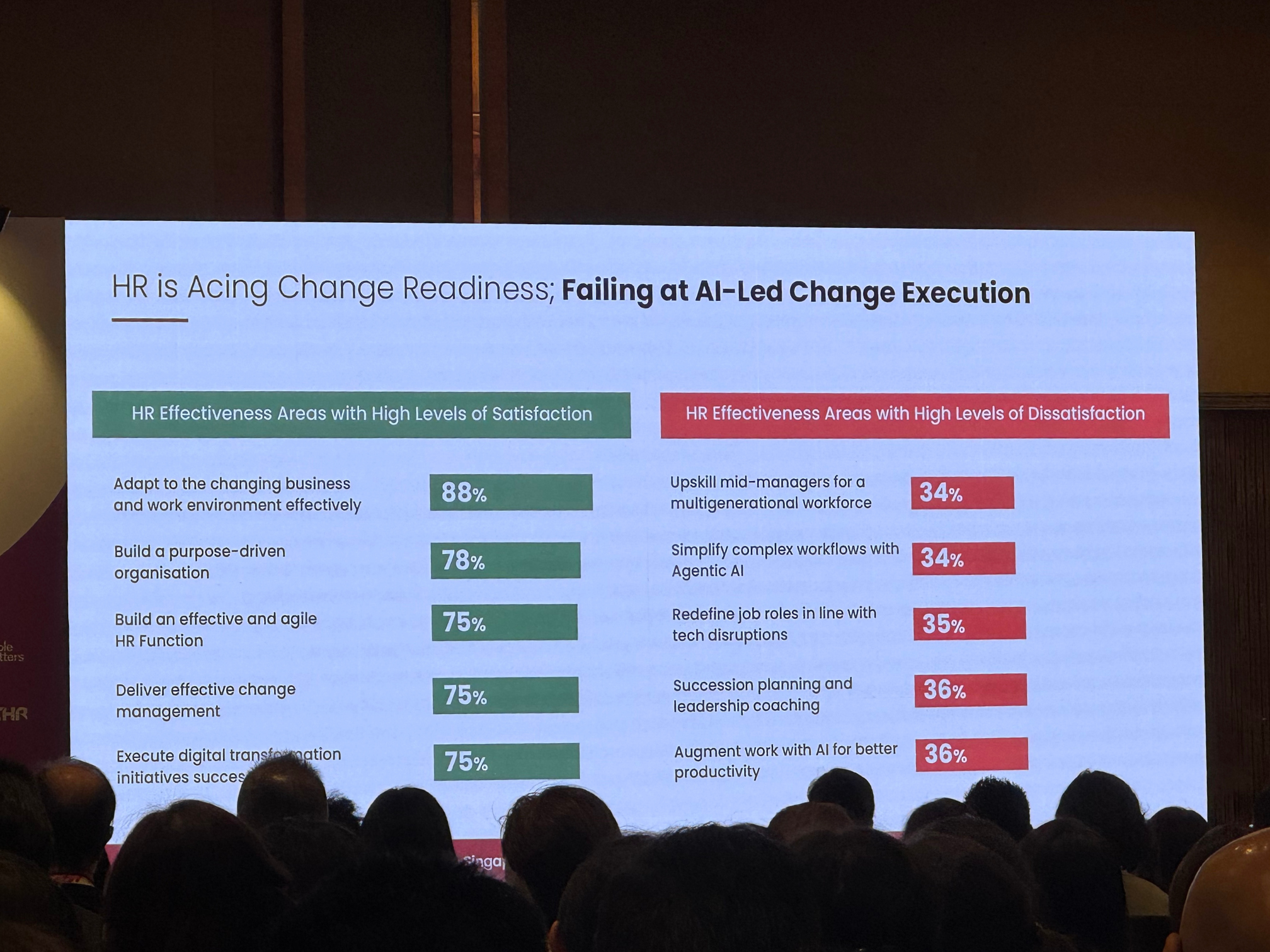
I also came home thinking more about leadership. Part of what I want to do more deliberately is coach leaders so they can think about AI beyond productivity language. If leaders only see AI as a shortcut, I think they will miss the deeper work. The better question is how AI can expand capacity, improve judgment, and create better work without making people feel less clear, less trusted, or less involved.
What I Think Many HR Teams Still Miss
One of my strongest takeaways from TechHR is that AI is often presented like a person, and I think that framing can push organizations in the wrong direction.
AI can support, generate, recommend, and even act in limited ways, but it is not going to work if we put the real person to the side. That is the part I keep coming back to. If the conversation makes people feel secondary, then I think the transformation is already off track.
For me, that is what it means to integrate AI through a dynamics lens. Friction is expected, but the work is to make the transformation smoother by understanding how people work, what they need, and where AI can actually help. I am seeing that our team members have different approaches to learning, using, and improving their AI tools and agents, which tells me this cannot be a one-size-fits-all shift.
To me, the real work is making AI use more intentional by creating enough clarity, enough support, and enough room to experiment. It feels similar to how our team at Ingenuity builds digital experiences: we start with the people, the context, and the outcome we want to create, then choose the tools that make the most sense.
This is where the conference sharpened my thinking the most. The human impact is one of the biggest reasons this kind of change succeeds or fails.
Why This Feels More Urgent Now
Part of why this feels more urgent to me is simple: the value AI is offering is much clearer now than it was two years ago. The tools are better. The use cases are clearer. The conversations are more concrete.
I feel that not only inside the team, but also in the broader community spaces I stay close to, especially through Google Developer Group Davao. Staying connected to those conversations keeps reminding me that HR leaders cannot afford to stay distant from evolving tech. We do not need to become engineers, but we do need to understand the context of the technology the same way we try to understand the context of people.
I am also seeing that many teams are already using AI in a very real and familiar way: pakapa-kapa. People are trying tools, testing workflows, comparing notes informally, and improving in uneven ways. I do not say that critically. In many ways, that is how adoption starts. But it also tells me there is a real role for HR. We can help provide the scaffold. We can help move the organization from scattered experimentation to more thoughtful, more responsible, and more human-centered use.
And as AI gets closer to decision-making, accountability matters even more. That was another important signal I brought home from TechHR. The moment AI becomes more embedded in how work gets done, someone still has to own the judgment, the guardrails, and the human impact. I do not think HR can stay outside that conversation.
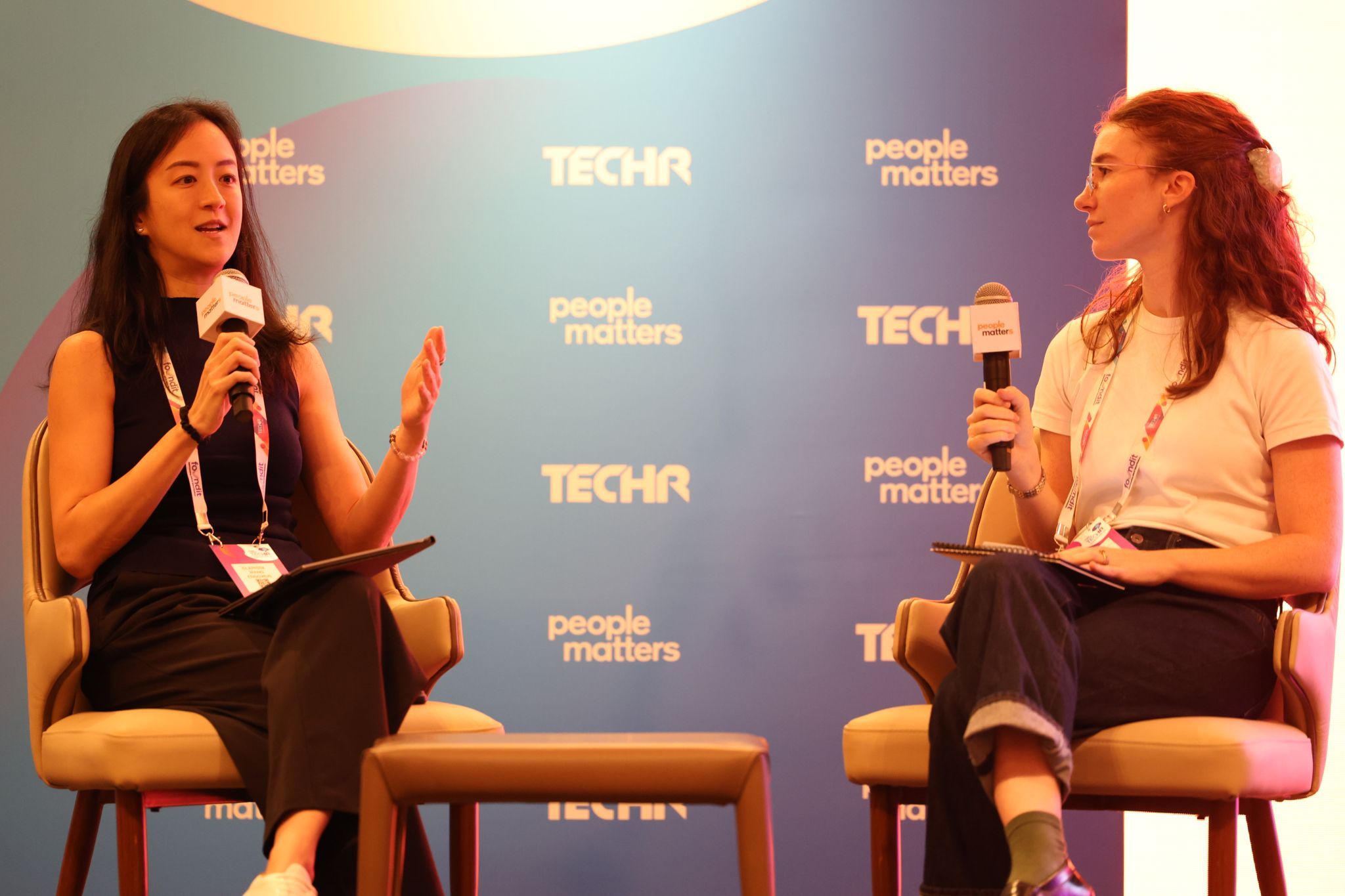
HR Has To Stay In The Room
I came home from TechHR Singapore feeling both optimistic and challenged.
I am optimistic because I can already see the potential for AI to expand human capacity when it is introduced well. I am challenged because I also think HR leaders have to raise our own standard. We cannot keep treating AI as mostly an IT issue and wait until the trust, readiness, and people implications show up later.
If HR is serious about helping shape how organizations think, decide, and grow, then we have to get closer to the technology itself. We have to understand where it fits, where it creates friction, where it needs guardrails, and how it changes the work our teams are actually doing.
For me, that is the sharper reflection I brought home from TechHR Singapore: HR is no longer just supporting transformation. It is helping orchestrate it. And if teams are already moving, experimenting, and learning in real time, then HR should not be watching from the sidelines. We should be in the room, helping shape what this becomes.
