Build loyalty as a customer experience system—not just a points engine
Loyalty programs sit at the intersection of customer identity, commerce, rewards, offers, data, business rules, service operations, and brand experience.
When those capabilities are fragmented, members experience inconsistent journeys while internal teams inherit manual workarounds, duplicated rules, difficult integrations, and limited ability to evolve the program.
Loyalty Platform Development is Ingenuity’s custom design and engineering approach for retailers and consumer businesses whose loyalty strategy requires more control, integration, or differentiation than an off-the-shelf platform can comfortably provide.
Start with the value exchange
A loyalty program only works when the customer understands why participation is worth it and the business can sustain the economics behind that promise.
Before designing points, tiers, or rewards, we clarify:
- who the members are and what motivates them;
- which behaviors the program is intended to encourage;
- what value members receive in return;
- how the program supports commercial and customer objectives;
- what economics and operational constraints shape the program; and
- where the experience must connect to existing customer journeys.
This prevents the platform from becoming a technically capable rewards engine without a coherent customer proposition.
Design one program across many touchpoints
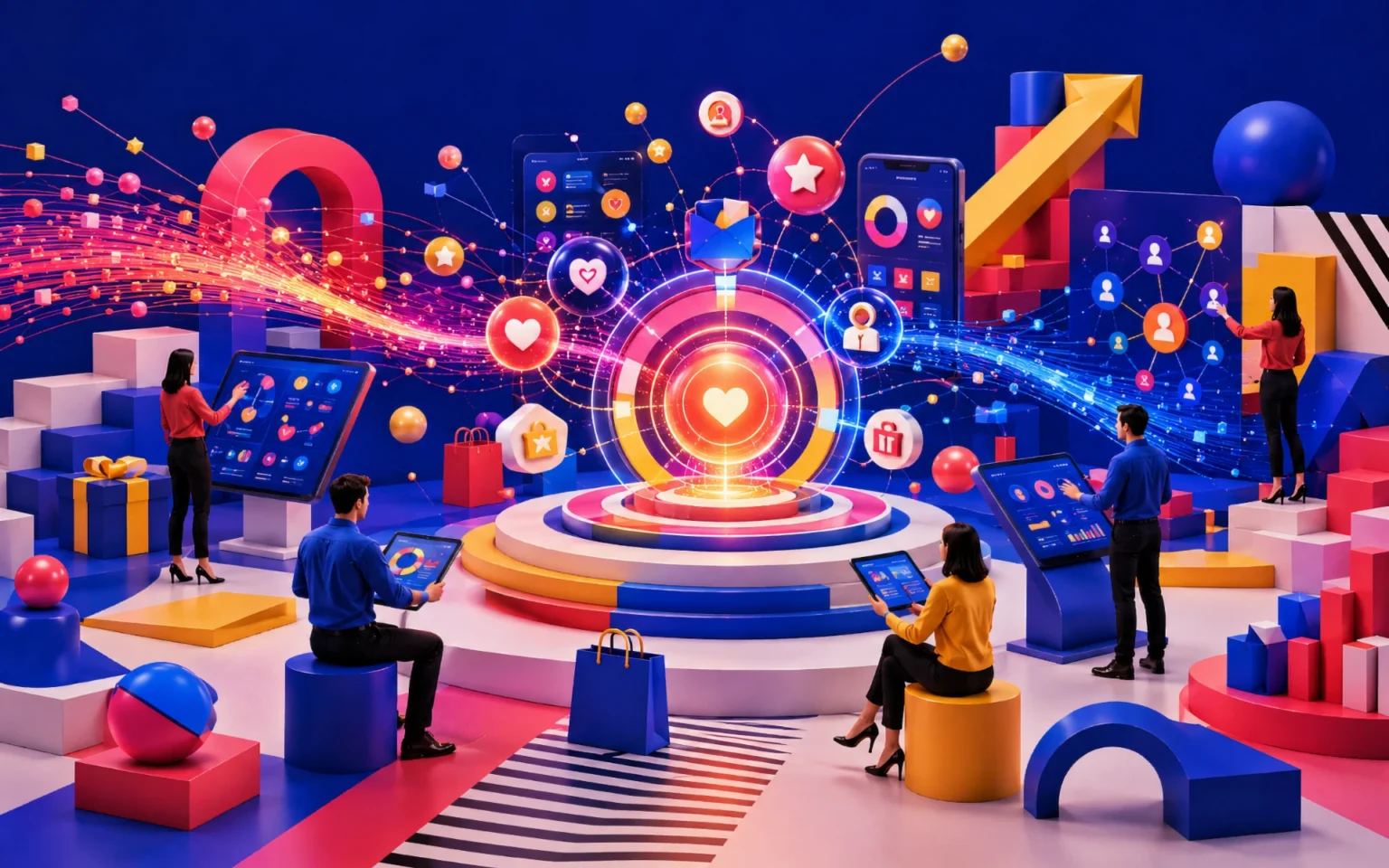
Members may encounter the loyalty program in stores, ecommerce, mobile applications, customer service, marketing campaigns, partner channels, receipts, notifications, and account experiences.
The platform should make those interactions feel like parts of one relationship.
Enrollment and identity
Create clear ways for customers to join, authenticate, manage their profile, understand their membership status, and connect activity across channels.
Earning and transaction recognition
Translate purchases, behaviors, promotions, events, or qualifying actions into the appropriate points, status, benefits, or recognition according to program rules.
Rewards and redemption
Help members understand what they have earned, what is available, how value can be redeemed, and what conditions apply without forcing them to interpret complicated program logic.
Offers and personalization
Where relevant, connect customer context, eligibility, campaigns, products, and behavioral signals to offers that can be presented consistently across channels.
Member communication
Support meaningful status, reward, expiration, offer, and program communications through the channels appropriate to the customer relationship.
The operational platform matters as much as the member interface
Loyalty teams need tools to operate the program without requiring engineering changes for every routine adjustment.
Depending on the business model, administrative capabilities may include:
- campaign and offer configuration;
- earning and redemption rules;
- tier definitions and qualification;
- reward catalogs;
- member adjustments and customer-service workflows;
- partner or merchant configuration;
- exception handling;
- program reporting;
- permissions and approval controls; and
- audit history for important changes.
Build for integrations, rules, and change
A loyalty platform rarely operates alone.
It may need to integrate with point-of-sale systems, ecommerce platforms, CRM or customer-data systems, mobile applications, identity services, payment systems, messaging platforms, product catalogs, analytics environments, partner systems, or finance and reconciliation processes.
The architecture should make those boundaries explicit so the loyalty platform can evolve without becoming an unmanageable collection of point-to-point integrations.
Separate program rules from product code where practical
Loyalty programs change continuously. Campaigns launch. Tiers evolve. Partners join. Products change. Reward economics shift. New channels appear.
Where the program requires frequent change, we design rules, configuration, administrative workflows, and platform boundaries so routine evolution does not always require a full software release.
The correct balance depends on the complexity, governance, performance, and auditability required by the program.
Data should improve the relationship—not just the report
A well-designed loyalty platform creates a useful stream of customer and program information: enrollment, transactions, earning, redemption, offer engagement, tier movement, reward behavior, and operational exceptions.
That information can support program measurement and future personalization, but only when definitions, identity, consent, permissions, and data flows are designed carefully.
How the engagement works
1. Discover
We define member value, commercial objectives, journeys, program mechanics, operations, integration constraints, governance, and success measures.
2. Design and build
We design the member and administrative experiences, establish the platform architecture, implement integrations and rules, and develop the product in testable increments.
3. Launch and evolve
We support production readiness and rollout, then use customer, program, operational, and technical evidence to prioritize continued improvement.
What you receive
A custom engagement can produce:
- Loyalty product experience: member-facing journeys for enrollment, account, rewards, offers, status, and redemption.
- Operational administration: the workflows and controls needed to manage the program.
- Platform architecture and integrations: the services and connections required to work with the broader customer and commerce ecosystem.
- Program rules model: a maintainable approach to eligibility, earning, redemption, tiers, promotions, and exceptions.
When custom development is the right fit
Custom Loyalty Platform Development is strongest when:
- loyalty is strategically important to the customer experience;
- the program needs deep integration with existing commerce or customer systems;
- the desired journeys or business rules are difficult to represent in packaged software;
- the organization needs control over how the platform evolves;
- several channels need to participate in one member relationship; or
- existing loyalty technology has become a constraint on program strategy.
When off-the-shelf may be better
Custom development is not automatically the right choice.
If the program is relatively standard, integration needs are modest, speed to launch matters more than differentiation, and an established platform already supports the required operating model, configuring a packaged solution may produce better economics.
Our role is to help determine where custom software creates real strategic advantage rather than rebuilding commodity capability without reason.