Service

Enterprise Digital Transformation

Redesign systems, information flows, workflows, and operating practices around the outcomes an enterprise needs to achieve.

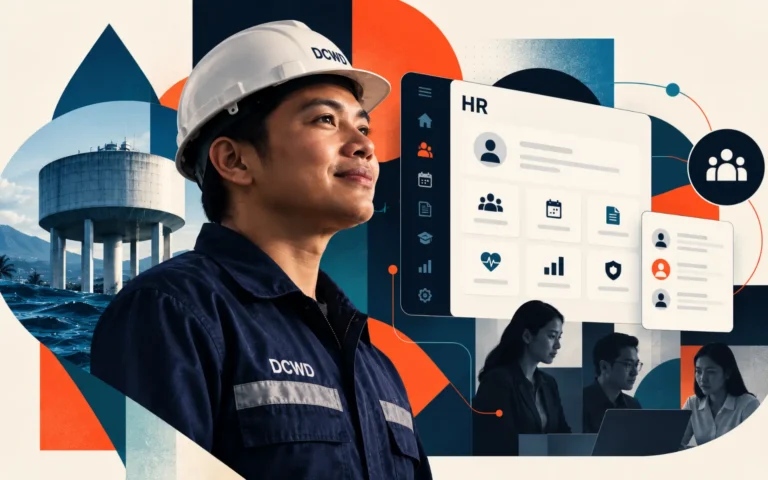
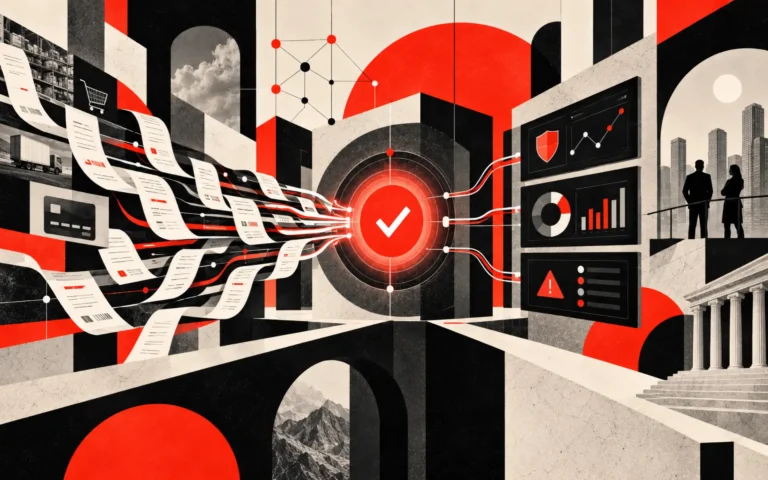
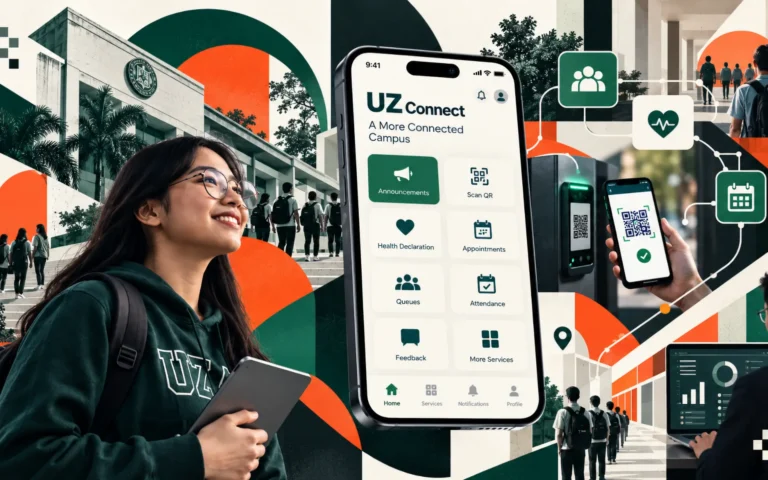
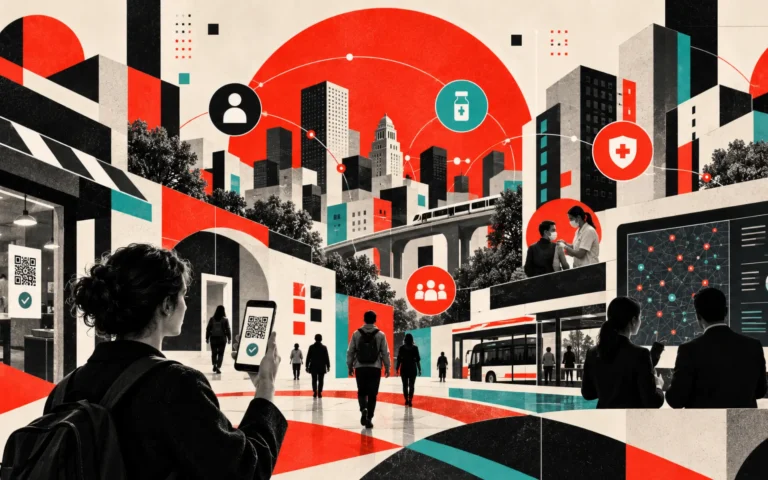
Abstract digital landscape showing connected enterprise systems, flowing data, strategic pathways, and professionals guiding organizational transformation.

Why it matters

Value, engineered

Treat transformation as an interconnected change to technology, information, operations, governance, and capability - not simply a software replacement program.

How this creates value

Connect the challenge to the outcome.

The service is not an isolated activity. It connects a real operating constraint to the capabilities and measurable outcomes the work needs to produce.

Transform the operating system of the enterprise – not just the software

Digital transformation often underperforms when it is treated as a technology replacement program. New software can reproduce old problems when information remains fragmented, workflows remain disconnected, decision rights remain unclear, and the organization does not change how work is actually performed.

Ingenuity approaches transformation as a coordinated change to technology, information, workflows, governance, and organizational capability. We help enterprises redesign the systems around the outcomes they need to achieve rather than modernizing technology in isolation.

Where we help

Create a clearer path from information to action

We map how information moves through the organization, where it becomes delayed or distorted, and which decisions depend on it. This creates a foundation for improving visibility, reporting, workflows, and operational coordination.

Modernize systems incrementally

Transformation does not always require a single large replacement. We help identify boundaries where legacy systems can be stabilized, wrapped, integrated, redesigned, or replaced in stages so the organization can capture value while managing operational risk.

Connect workflows across teams and systems

Many enterprise problems occur between systems rather than inside them. We redesign handoffs, information flows, approvals, integrations, and operational interfaces so teams can work from a more coherent view of the process.

Build shared visibility for decisions

Executives and operators often see different fragments of the same reality. We design information and decision environments that create shared awareness while preserving the detail each role needs to act effectively.

Transformation is a learning system

Large programs operate under uncertainty. Instead of assuming every requirement can be known up front, we structure transformation so the organization can learn through staged releases, feedback, operational evidence, and measurable outcomes.

The objective is not merely a new platform. It is a more adaptable enterprise: one that can understand what is happening, coordinate action, change systems with less friction, and preserve the knowledge required to keep improving.

How we work

  • Frame outcomes before systems. Define what must improve for customers, operators, leaders, and the business.
  • Map the current operating environment. Understand systems, information, workflows, pain points, dependencies, and governance.
  • Design the transition. Identify where to modernize, integrate, automate, or redesign.
  • Deliver in meaningful increments. Create visible improvements while reducing risk and learning from use.
  • Strengthen organizational capability. Make the new ways of working understandable, governable, and sustainable.


Clarity

Frequently asked questions

How is Custom Software Development different from Enterprise Digital Transformation?

Custom Software Development and Engineering is centered on designing, building, modernizing, and integrating software systems. The primary delivery problem is the technology itself: architecture, implementation, integration, quality, security, deployment, and long-term maintainability.

Enterprise Digital Transformation is broader. It addresses technology together with information flows, workflows, decision rights, operating practices, governance, and organizational capability. A transformation may include custom software, but software is one part of the change rather than the entire scope. Choose Custom Software when the core problem is a system or product that needs to be built or changed; choose Digital Transformation when several systems, teams, workflows, and operating practices need to change together.

Does digital transformation require replacing our legacy systems?

No. Transformation should be driven by the outcomes that need to improve, not by an assumption that every existing system must be replaced. A legacy platform may remain useful while new integrations, workflows, visibility layers, automation, or modernized components are introduced around it.

We map where existing technology constrains the operating model, where critical rules or data are embedded, and which changes can be staged safely. Replacement is appropriate when the system creates unacceptable risk or prevents the desired future state, but incremental modernization can often create value sooner with less disruption.

How do you scope a digital transformation when several departments and systems are involved?

We begin with the outcomes, decisions, workflows, and stakeholder groups that need to improve, then map the systems, information flows, dependencies, handoffs, governance, and capabilities around them. This creates a transformation boundary based on business value rather than an arbitrary list of applications.

Large programs are then decomposed into meaningful increments that can reduce risk and produce visible operational value. The roadmap should distinguish foundational work from user-facing change, identify dependencies explicitly, and create learning points where evidence can change later phases instead of assuming the entire program can be specified accurately at the beginning.

How do you address adoption and internal capability during transformation?

Adoption is treated as part of implementation rather than as communication added at the end. New systems and workflows need clear ownership, understandable roles, training where appropriate, operational documentation, feedback loops, and a transition plan for the people who will use and support them.

We also aim to leave behind capability rather than unnecessary dependency. That can include working closely with internal teams, documenting important decisions and system behavior, transferring technical or operational knowledge, and establishing repeatable governance and delivery practices. The exact adoption model depends on the organization and the degree of change involved.

Discuss your goals, constraints, and the right engagement approach.

Talk to us about this service